#4 Representation Sparks Influence
- alecj444
- Nov 24
- 3 min read
Diversity is one of the most important and influential parts of art. When it comes to film, some of the most critically acclaimed and renowned films come from people of much different backgrounds, cultures, and countries than the average BYU Media Arts student. These backgrounds bring different perspectives, ideas, and styles that we might not have ever considered. Some of the most popular American filmmakers have gotten many of their techniques from watching foreign films.
The representation of filmmaker voices from different backgrounds is a major part of this. I can’t point to a particular reason why minority voices are underrepresented in film, but one explanation may be that some people might automatically assume that they can’t relate to the stories they have to tell. However, no matter how different someone’s culture is, the stories they have to tell can be relevant to our lives in many different ways. For example, Bing Liu is an Asian American man who grew up in Rockford, Illinois, skating with his friends every day. All of these different aspects of his life create his cultural makeup, and some of us may not relate to any of them. However, the story Liu tells with Minding the Gap can touch all of us in some way. Topics of toxic masculinity, abuse, and chosen families all transcend the culture that Liu brings to the film. In pushing for the representation of these filmmakers and their films, we expose viewers to stories and ideas that they never would have experienced because they thought they couldn’t.

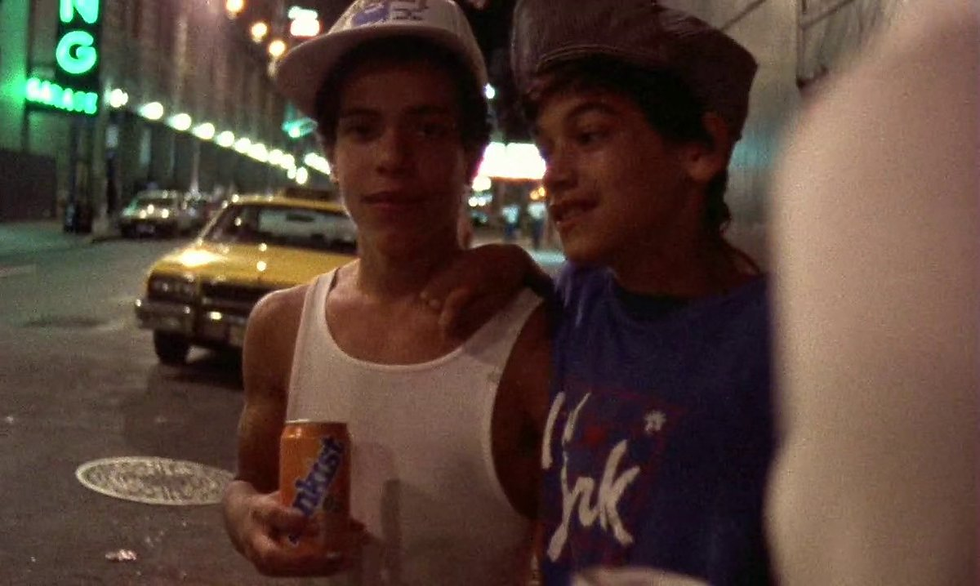
Not only is it our job as citizens in the majority to push for the representation of filmmaker voices from different backgrounds, but it is also our job to represent voices from different backgrounds and communities in our own films. It is easy to think that because we aren’t a part of a certain culture that we aren’t allowed to represent them. While it might be true that we can’t accurately represent them from our limited perspective, that doesn’t mean we can’t make an effort to learn through their voices. For example, while Jennie Livingston is a member of the LGBTQ+ community and represents dancers within the same community in her film Paris is Burning, many of the people she is representing are of African descent. As a white woman with white parents, this is not a part of Livingston’s culture, but through what she does know and has experience with, she is able to explore the influence of dance on the African American community and their influence on the culture of dance. She is able to approach the subject with genuine curiosity, a positive goal, and a lack of arrogance that allows her to learn from a group of people and use their experience to teach others.
The performative mode and the participatory mode vary in how they might explain the experiences of the underrepresented, but they both have their strengths. One major aspect of the performative mode that Nichols mentions, which greatly lends to representing voices, is the idea that fact is secondary to knowledge. In this case, knowledge is personal experience and emotional truth. Cultures cannot be represented by graphs, numbers, and statistics. What truly matters are the experiences of the individual and the shared experiences of the whole. The participatory mode has the advantage of the filmmaker being directly involved with the subjects. This was something that really brought Minding the Gap to life. Bing Liu’s personal connection to his friends and family allows for a more open and vulnerable discussion while also allowing him to ask more directed and pointed questions that he knows will engage them more effectively. One downside of the performative mode is that the voice and style of the filmmaker can be so strong that it detracts from the voice of the people they are representing. A downside of the participatory mode is that the involvement of the filmmaker can be an intimidating factor for the subjects. I would argue that performative documentaries are better at representing groups, while participatory documentaries are better at representing individuals.
In my experience watching these films and interacting with an increase in representation of minority filmmakers, like this semester's current TMA 418 group, it is crucial to have and support the voices of those who may not be as represented in their respective areas. There are some stories and points of view that people with the same background as me just can’t tell. Please support underrepresented voices.


What’s up Alec! I really appreciated your blog post—I liked what you said when you mentioned that topics of toxic masculinity and abuse transcend the background of the Liu as a filmmaker that relates to everyone. These are topics that are experienced from all around the world, and it’s important to learn from each world’s corner to see their unique experience and how it can correlate and inform others. Performative and participatory doc modes help us an inexperienced filmmakers to begin to understand and feel the smallest bit of what these subjects went through—one of the best things that documentaries can offer.